

Chinese actress Zhao Liying is reportedly facing one of the quietest periods of her career, despite recently winning two of China’s most prestigious television awards, the Feitian Award and the Golden Eagle Award.
According to Chinese media outlet QQ, the actress chose to take a long break after her award-winning success instead of capitalizing on her growing popularity with new drama projects.
Industry observers believe Zhao Liying’s situation reflects a broader challenge facing many actresses approaching 40: moving from romantic dramas and idols to more serious and realistic productions as they navigate a shrinking TV market.
Zhao Liying’s remaining unreleased project, Faithhas reportedly postponed its premiere scheduled for late July. However, the landmark production only stars Zhao Liying as a special guest, meaning it currently has no confirmed major projects expected to air in the next two years. The prolonged absence fueled concerns that a lack of on-screen exposure could affect her popularity despite her acclaimed acting career.
The actress recently experienced consecutive disappointments with two television dramas.
- In the human world was an experimental short-form drama that struggled to attract mainstream audiences due to its unconventional and difficult-to-follow narrative.
- His next drama, The creator of dreamswas one of the most ambitious productions of Zhao Liying’s career, backed by a sizeable budget and an acclaimed production team. Despite high expectations, the series failed to gain momentum. Television ratings have steadily declined, while online viewership has remained far below expectations.
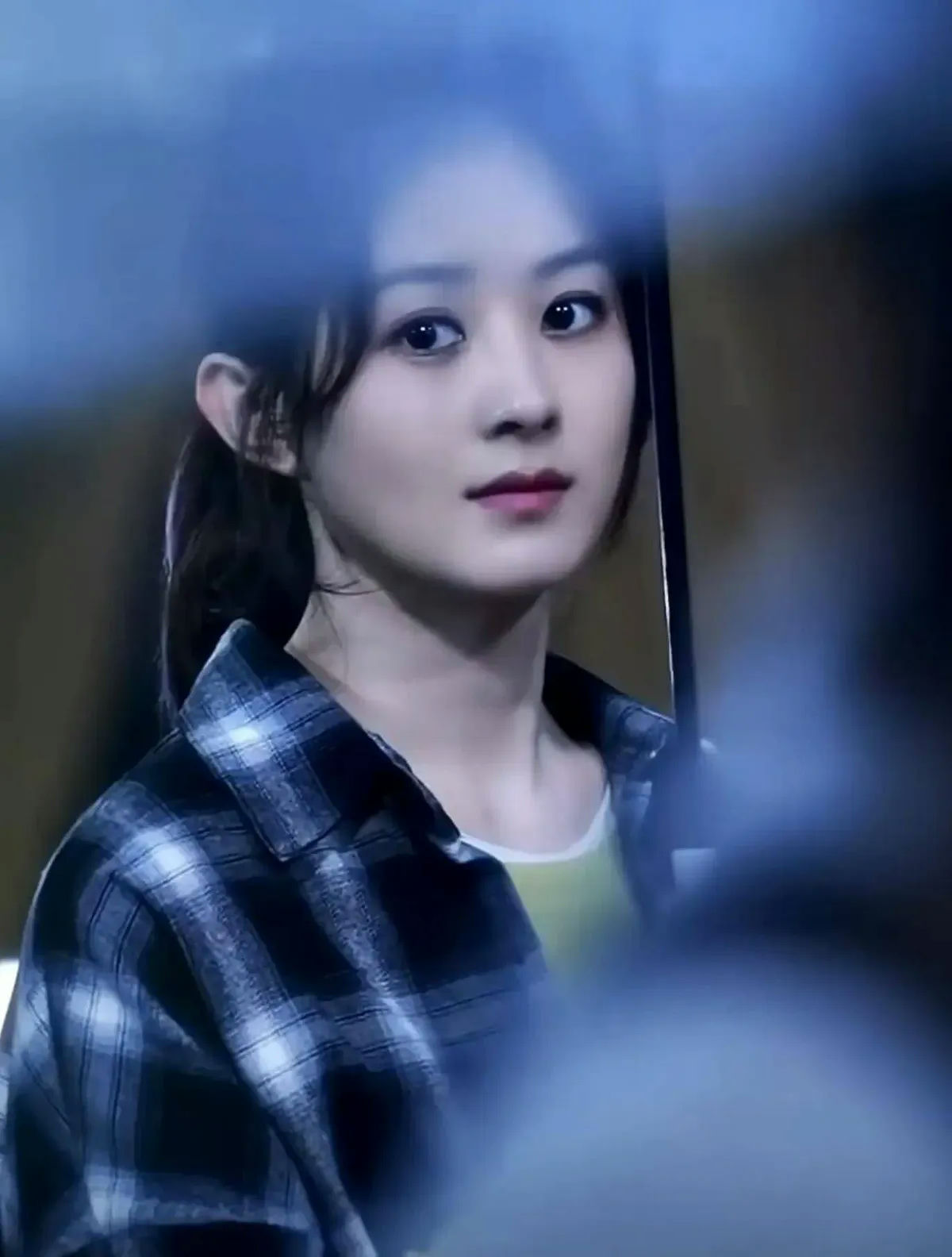
The disappointing performance has led some viewers to question whether Zhao Liying still possesses the same commercial pulling power that once made her one of China’s top-earning TV stars.
Now approaching 40, Zhao Liying finds herself facing the same career crossroads as many established Chinese actresses. The historical romances and idol dramas that helped launch her career offer fewer opportunities for actresses in their thirties and older, increasing the pressure to successfully transition into prestige dramas focused on social issues and realistic narratives.
At the same time, Zhao is reportedly facing increasingly high expectations from both fans and the public, making it increasingly difficult to select his next project.
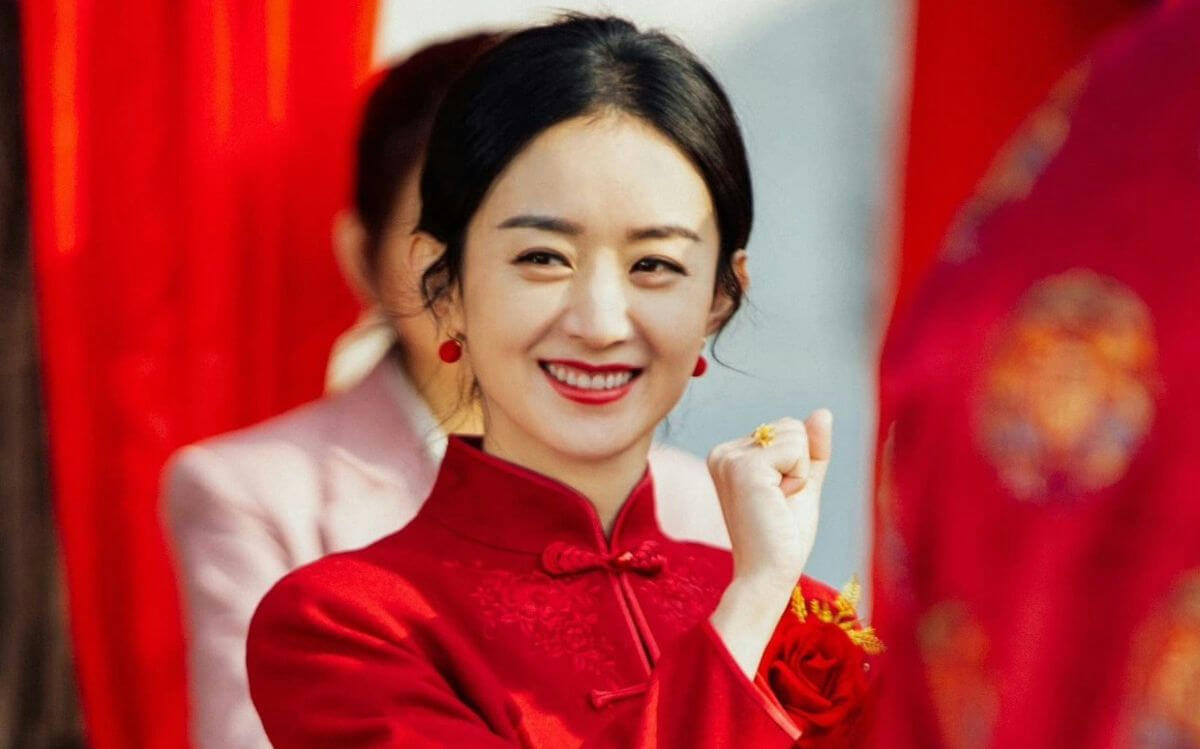
Industry experts point out that Zhao Liying’s hiatus cannot be viewed in isolation from the broader recession affecting China’s film and television industry. Before the COVID-19 pandemic, around 20 productions would begin filming each day at Hengdian World Studios, China’s largest film base.
Today, production has slowed dramatically. Reports indicate that only three new projects began filming in June, reflecting reduced investment as production companies grew increasingly cautious after a series of commercial disappointments.
The industry’s financial difficulties have also changed the way dramas are promoted. According to reports, directors, actors and production teams are now expected to take more responsibility for a drama’s commercial performance. In some cases, production teams reportedly purchase advance screenings or platform subscriptions to help streaming services recoup some of their investment after a series premieres.

Difficult market conditions have made it more difficult to move forward with many planned productions, including projects that Zhao Liying reportedly considered pursuing. Instead of accepting roles that he finds creatively unsatisfying, Zhao Liying is said to be patiently waiting for a stronger script and a more promising opportunity.
The lack of quality roles for middle-aged actresses has become an increasingly discussed issue in the Chinese entertainment industry.
Veteran actress Hai Qing had already attracted widespread attention at the Golden Eagle Awards when she publicly appealed to producers to create more opportunities for established actresses. She noted that actresses in her age group often receive lower pay than their male counterparts despite delivering performances of comparable quality, highlighting the industry’s continuing imbalance.
For many observers, Zhao Liying’s current situation reflects not only an individual career transition, but also the broader structural challenges facing China’s television industry.
Sources: K14