

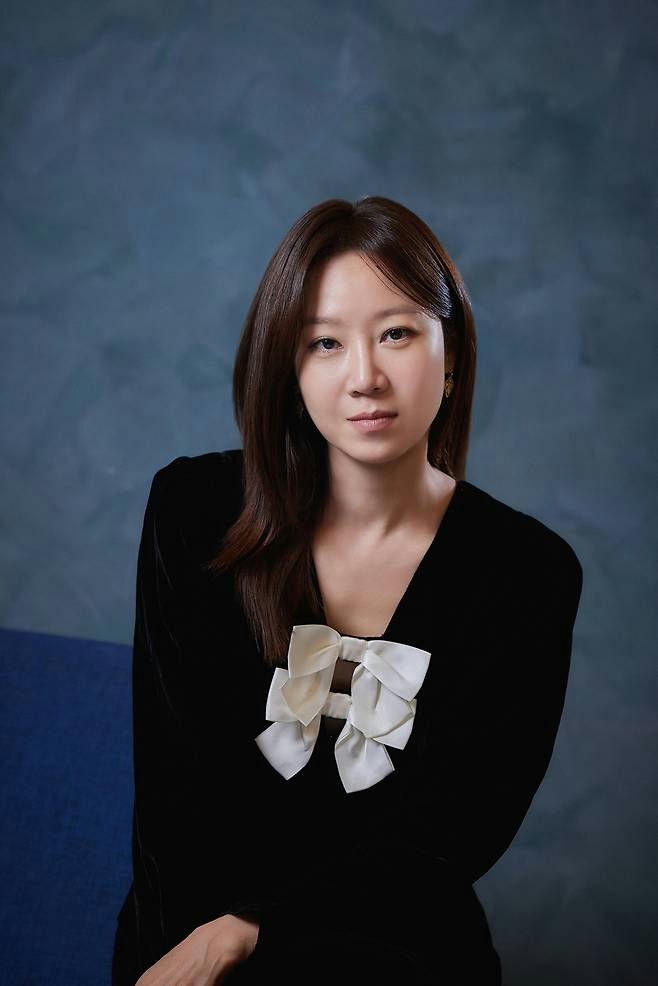
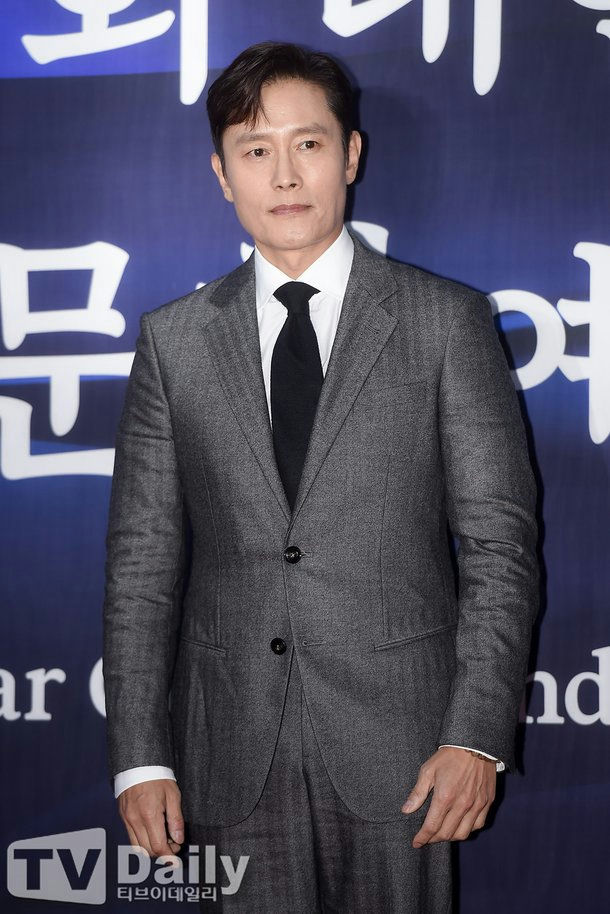
Some of South Korea’s biggest stars, including Lee Byung Hun, Jeon Do Yeon, Gong Hyo Jin and Kim Go Eun, are backing a new industry initiative aimed at reviving the country’s struggling film industry.
Major talent agencies and film producers have reached a voluntary agreement to cap actors’ salaries for government-backed mid-budget films, marking a significant step towards reducing production costs and encouraging more film projects.
On July 16, South Korea’s Ministry of Culture, Sports and Tourism (MCST) and the Korea Film Council (KOFIC) signed a cooperation agreement with major talent agencies and film production organizations at the National Museum of Modern and Contemporary Art in Seoul.
Participants included: BH Entertainment, Management SOOP, J,WIDE-COMPANY, Korean Film Producers Association, and Producers Guild of Korea (PGK).
The deal aims to improve the production environment for Korean films, especially mid-budget projects that have become increasingly difficult to finance.
Under the agreement, participating agencies and producers will cooperate to ensure that commissions paid to lead and supporting actors in medium-budget films supported by KOFIC remain below 10% of the film’s net production budget.
The measure applies specifically to projects receiving support through KOFIC’s medium-budget film production support program. Rather than imposing a legally binding limit, the agreement is based on voluntary cooperation between industry stakeholders.

To ensure the initiative continues beyond a single deal, the organizations also plan to establish a private advisory body involving talent agencies, production companies, investment firms and film distributors. The group will continue to discuss practical ways to improve the Korean film production environment and strengthen the sustainability of the industry.
The agreement clearly states that the agreement does not entail any legal obligation, underlining that participation is based on goodwill and shared responsibility.
Minister Choi Hwi-young praised the participating agencies for voluntarily supporting the initiative. “The decision to voluntarily participate in setting limits on actor compensation goes beyond simply reducing production costs. It represents a warm spirit of solidarity and a courageous and mature commitment to reviving Korean cinema.”
He added that this collective effort could become one of the strongest driving forces behind the industry’s recovery.
KOFIC President Han Sang Jun also highlighted the importance of supporting mid-budget productions during a period of rising costs and shrinking investments. According to Han Sang Jun, greater support from the government can help restore diversity within Korean cinema, while creating a more sustainable production ecosystem.
The South Korean government launched its medium-budget film production support program last year as part of broader efforts to revive the domestic film industry.
- 2025: ₩10 billion (about $7 million) allocated.
- 2026: Expanded to ₩46 billion (about US$33 million)
The significant increase reflects growing concerns over rising production costs, declining private investment, and a reduction in the number of commercially viable mid-budget Korean films.
In recent years, rising production expenses, especially high salaries, have become a major concern in the industry. Supporters of the new initiative argue that lowering actors’ pay for publicly funded films could:
- Reduce financial risk for producers
- Increase the number of films that get funding
- Create more opportunities for diverse narratives
- Strengthen the long-term sustainability of Korean cinema
Since the agreement is voluntary and not mandatory, its success will ultimately depend on continued cooperation between actors, agencies, producers and investors.
However, the participation of major agencies representing some of Korea’s biggest stars sends a strong signal that the industry is willing to work together during a difficult time.
Sources: Nate News