

DREAMCATCHER’s Handong has come under intense scrutiny from international fans after participating in the controversial “Baby Natasha” trend, which was widely criticized as racist and anti-black.
The controversy erupted after Handong shared a photo on Instagram that appeared to reference the viral trend. Following negative reaction from fans and online communities, the singer removed the image and issued a public apology.
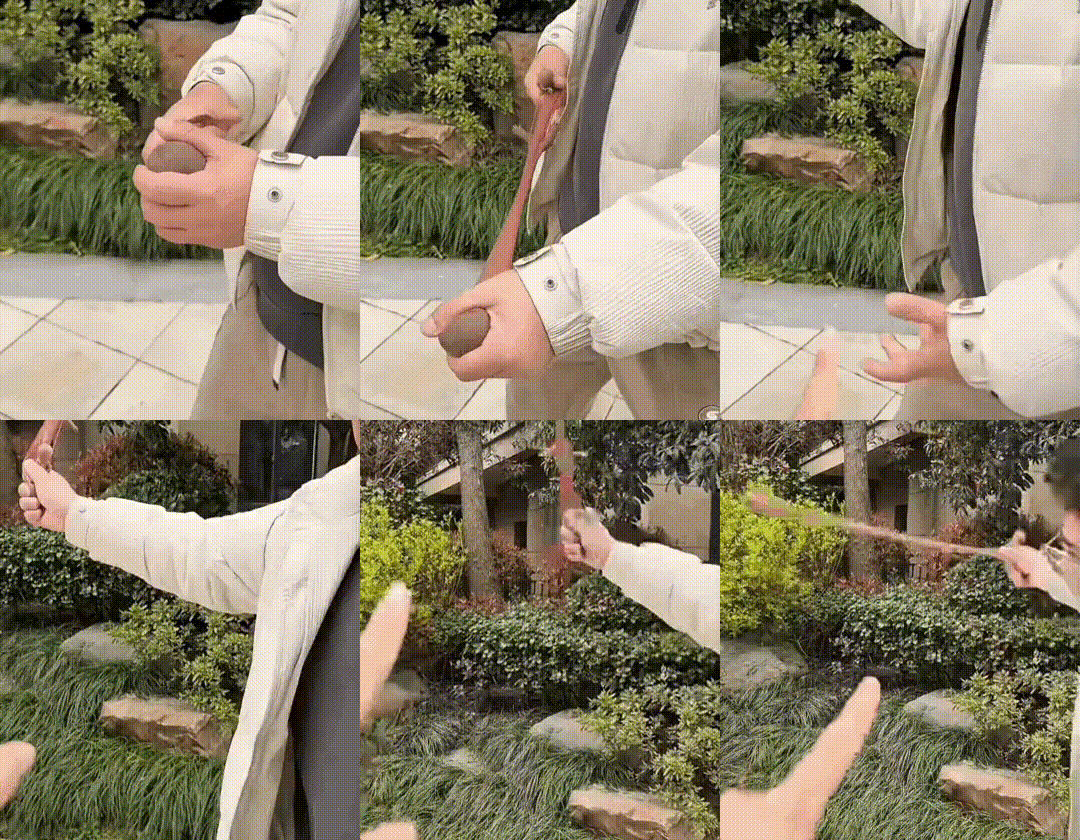
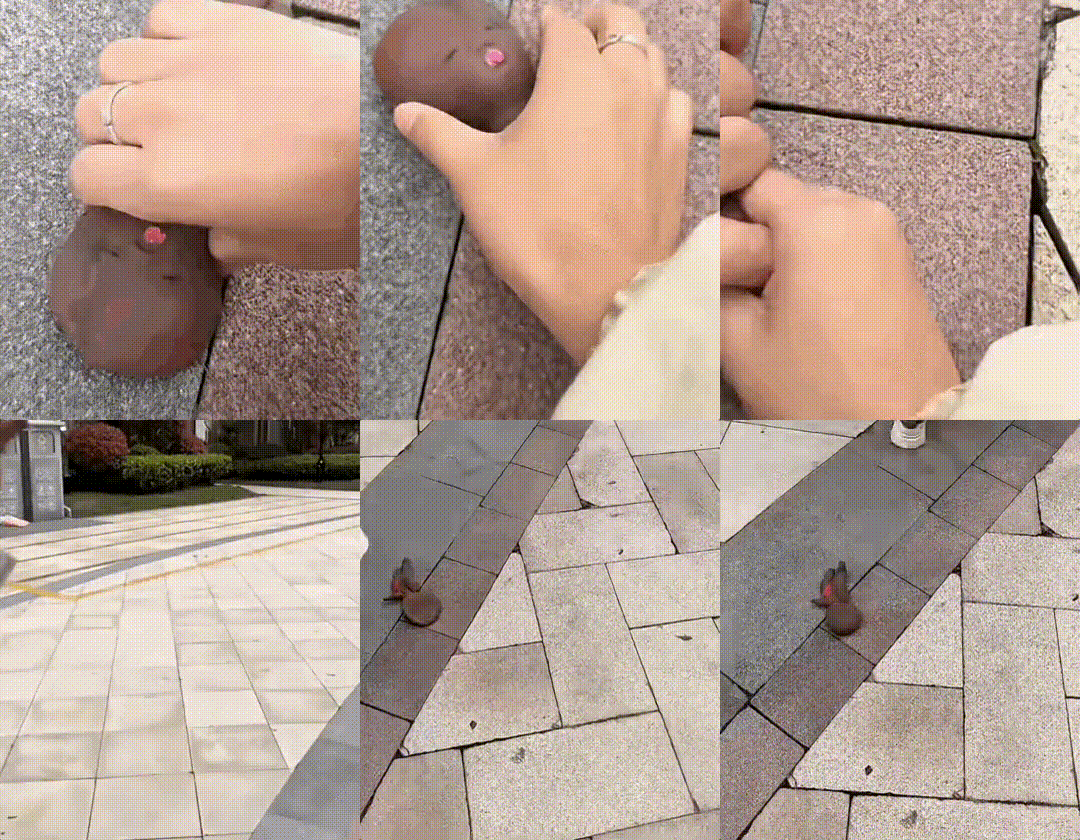
The controversy stems from a social media trend that gained traction on some Chinese platforms earlier this year. The trend involved a doll known as “Baby Natasha,” with videos often showing users hitting, squeezing or otherwise handling the doll roughly. Critics noted that the dolls featured in the videos were mostly black or dark-skinned versions of the toy, despite the doll being available in multiple skin tones.
The situation escalated further when clips circulated online showing people comparing real black children to the doll, drawing widespread condemnation from the international public. Many critics argued that the trend dehumanized Black children and reinforced harmful racial stereotypes.

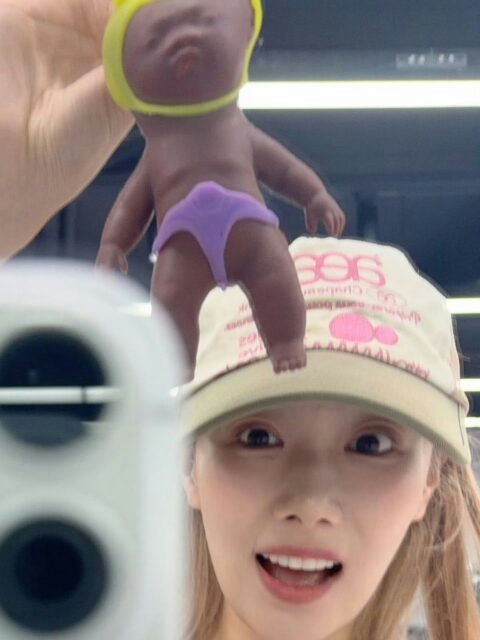
On June 21, Handong uploaded a series of photos to Instagram. One image reportedly showed her holding a Baby Natasha doll by her head while smiling at the camera. While the image itself did not depict violence, many fans felt it was inappropriate to participate in a trend already associated with racist content, especially given the growing criticism surrounding the phenomenon.
The photo quickly spread across social media platforms, prompting a wave of reactions from fans and non-fans alike. Some users expressed disappointment and called for accountability, while others said they were reconsidering their support of the idol.
As criticism intensified, Handong removed the controversial image from his Instagram post and shared an apology to address the situation. While the exact content of his statement varied in online discussions, he reportedly explained that he did not fully understand the broader implications and controversy surrounding the trend at the time he uploaded the photo.
However, not all fans accepted the explanation. Some remained skeptical, arguing that the trend had already been widely discussed online and wondering whether they should have been more aware of the context before participating.
The controversy has sparked debate among fans regarding responsibility, cultural awareness and social media trends. Some supporters defended Handong, arguing that she quickly acknowledged the problem, removed the content and apologized after learning why people found it offensive. Others believe that public figures, especially internationally recognized idols, have a responsibility to research trends before sharing them with millions of followers.
As discussions continue online, the incident highlights the growing scrutiny K-pop artists face regarding global cultural and social issues.
Sources: Koreaboo