

According to Taiwanese media reports, Barbie Hsu had written a memo on her phone detailing how she hoped her assets would be divided after her death. The note reportedly stated that her jewelry and luxury bags should be inherited by her daughter, while the rest of her estate should be shared between her husband, DJ Koo (Koo Jun Yup), her two children and other family members.
However, the family reportedly concluded that the memo did not meet the legal requirements for a valid will and therefore could not be executed.
Taiwanese lawyer Lin Chi Chun explained that a will written as a reminder on a smartphone generally does not meet Taiwan’s legal requirements.
According to Taiwan’s Civil Code, only five legally prescribed forms of will are recognized, each of which requires rigorous procedures and formalities. For the most common type of handwritten will, the entire document must be written and signed by the person writing the will. Documents typed on a computer or smartphone do not meet these legal requirements and are therefore generally considered invalid.
The lawyer also argued that Taiwan’s inheritance laws have not kept pace with modern technology. He noted that the current regulations were established in the 1930s, long before computers and smartphones existed. At that time, handwritten documents were considered the most reliable method of verifying authenticity.
Today, however, most people write digitally, leading some legal experts to question whether the law should be updated to reflect modern methods of communication.
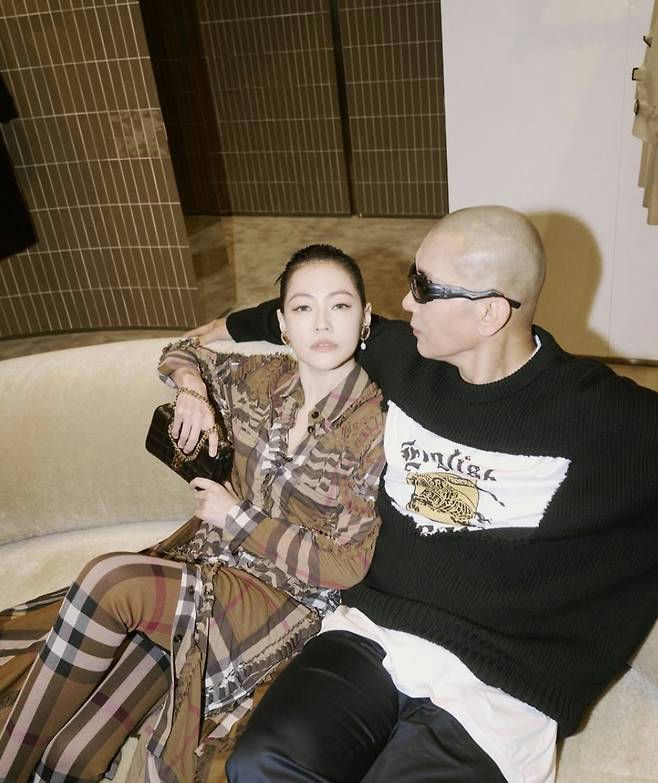
If there is no legally valid will, Taiwan’s inheritance laws would generally distribute the estate according to the legal rules of succession. Legal experts cited in local reports say that DJ Koo, as Barbie Hsu’s surviving spouse, and her two children would likely be recognized as the main legal heirs. However, since the children are minors, their biological father, Wang Xiaofei, could potentially manage the inheritance on their behalf as their legal representative if he holds parental responsibility.
Custody of Barbie Hsu’s two children also remained a topic of discussion. The actress shared two children with her ex-husband Wang Xiaofei and raised them after the divorce. After marrying DJ Koo, the children would continue to live with the couple.
According to Taiwan’s civil code, if the parent with parental responsibility dies after a divorce, custody generally goes to the surviving biological parent. As a result, legal observers believe that Wang Xiaofei would likely assume parental authority over the children, although some reports have suggested that Barbie Hsu’s family may explore legal options depending on the circumstances.
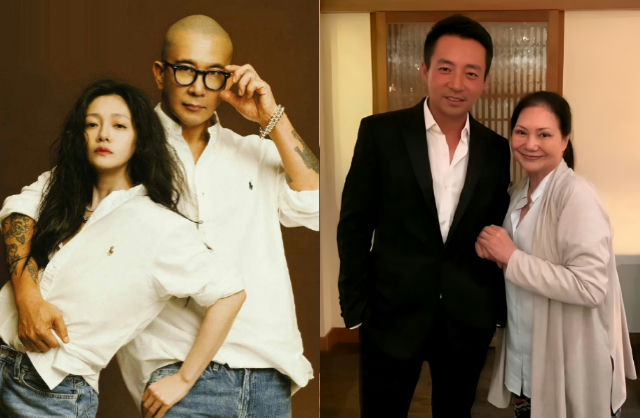
Since Wang Xiaofei and DJ Koo have been publicly at odds in the past following Barbie Hsu’s remarriage, some observers believe further legal disputes over the property are possible.
Recent Hong Kong media reports also claimed that DJ Koo was seen visiting Barbie Hsu’s grave alone at Jinbaoshan Cemetery in New Taipei City, where witnesses said he spent a lot of time watching videos of his late wife on a tablet while paying his respects.
Although it has been more than a year since Barbie Hsu’s death, questions surrounding her estate and legal guardianship of her children remain unresolved, with the reported phone note adding another layer of complexity to the ongoing legal process.
Sources: Naver