

A new investigative report has sparked controversy in South Korea’s entertainment industry after revealing the staggering fees charged by some of the country’s most sought-after celebrity hair, makeup and styling professionals, commonly called “HMU” (Hair, Makeup, Styling).
According to the report, top celebrity stylists can earn up to KRW 25 million (around $20,000) in a single day, with combined HMU costs for major commercial shoots sometimes consuming nearly 20% of an entire TV commercial’s production budget.
The report cited an ad shoot featuring actor Kim Woo Bin for the language learning platform Speak as an example of today’s premium HMU pricing. During the production day: Kim Woo Bin wore two complete outfits plus a change of jacket.
- Her stylist reportedly charged KRW 25 million: KRW 20 million for styling two dresses
- Another 5 million KRW for the accompanying print campaign.
- Hair designer Lim Cheol Woo reportedly earned KRW 15 million, including: KRW 12 million for two video commercials and KRW 3 million for print photography.
Including makeup, the commercial reportedly spent approximately KRW 48 million ($35,000) on hair, makeup and styling alone. Industry experts have noted that a single day’s compensation for styling can equal the annual salary of a fledgling entertainment agency manager.
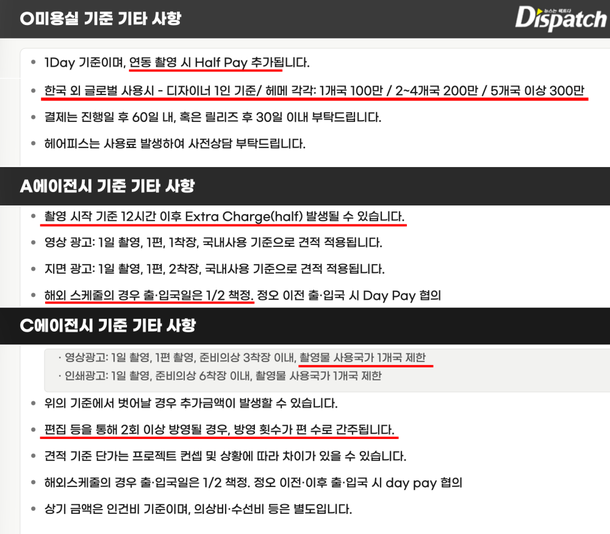
According to the investigation, there is no standardized pricing system regulating celebrities’ HMU services. Instead, rates are largely determined by each stylist or beauty professional. Several major stylists, hairdressers and makeup artists reportedly charge between KRW 10 and 30 million per day, with final bills increasing through various additional costs. Common supplements reportedly include:
- Multiple commercial videos shot in one day (“Multi Pay”)
- Simultaneous press advertising shooting (“Linked Pay”)
- Overtime exceeding 12 hours
- Filming abroad
- Additional usage in multiple countries
- Additional commissions based on global advertising distribution
One industry source described the pricing structure as similar to buying a car: “The base price seems reasonable, but numerous options quickly multiply the final cost.”
The report cited several advertising campaigns to illustrate the pricing structure. For an advertisement featuring Lee Dong Wook, designer Nam Joo Hee reportedly charged KRW 17 million for styling two outfits after adding costs for multiple video versions and print production.
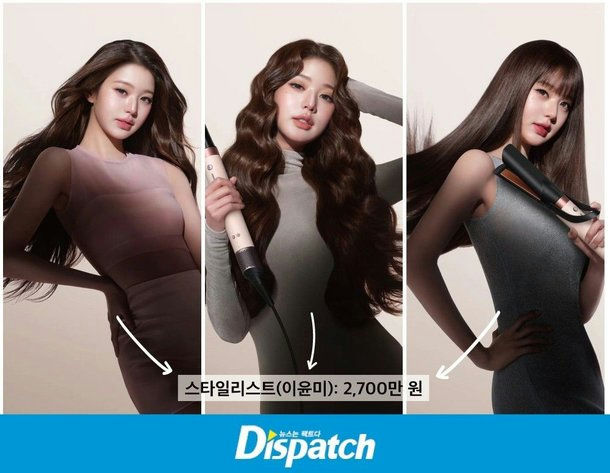
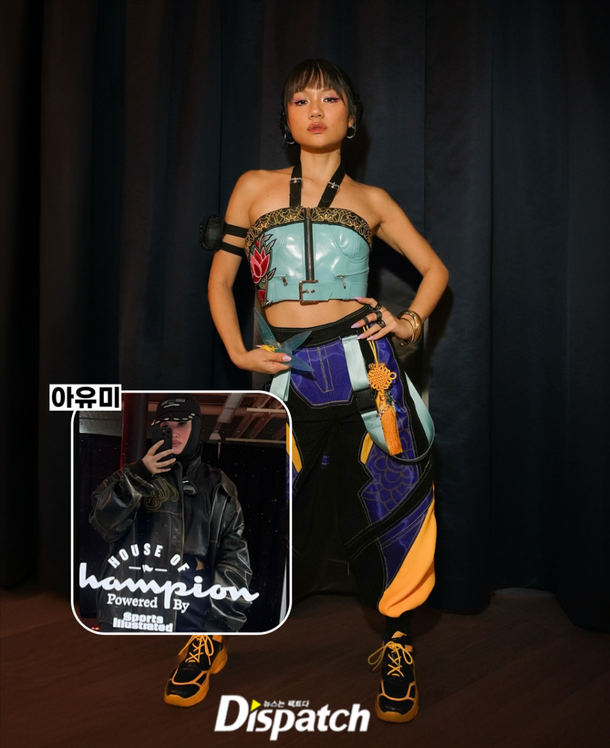
In another example, Jang Won Young’s commercial for Dyson allegedly resulted in fashion designer Lee Yoon Mi being charged approximately KRW 27 million after accounting:
- Two commercial videos
- Print the photograph
- Three outfit changes
- Additional charges for global usage
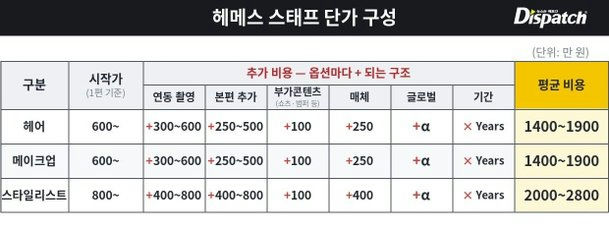
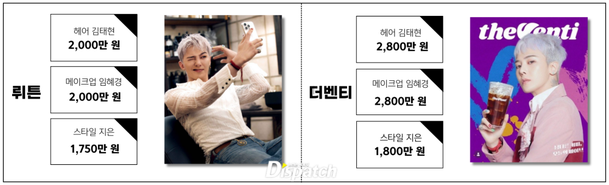
One of the industry’s most controversial practices involves so-called global fees, which some HMU professionals justify as compensation for the broader use of their creative work in multiple countries. The report highlighted two advertisements featuring G-Dragon, where the same HMU team reportedly charged between 61.5 million and 78.5 million KRW depending on overseas distribution.
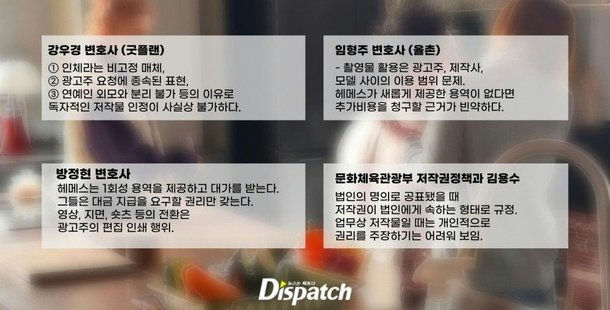
However, legal experts interviewed for the investigation overwhelmingly questioned whether such allegations have a copyright basis. According to several attorneys, hairstyling, makeup, and wardrobe coordination are generally considered technical services rather than independently copyrightable creative works.

A lawyer explained that since these services are:
- Applied to a human body rather than a fixed medium,
- Performed according to customer instructions,
- Inseparable from the appearance of celebrity,
They are unlikely to benefit from copyright protection under Korean law.
Another lawyer added that the additional costs of expanded use of advertising would generally require the provision of a new service, rather than simply reusing existing footage.
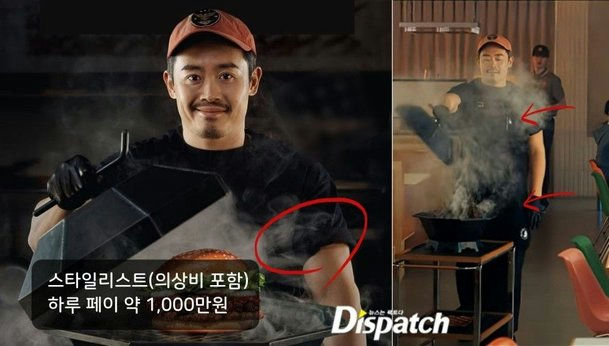
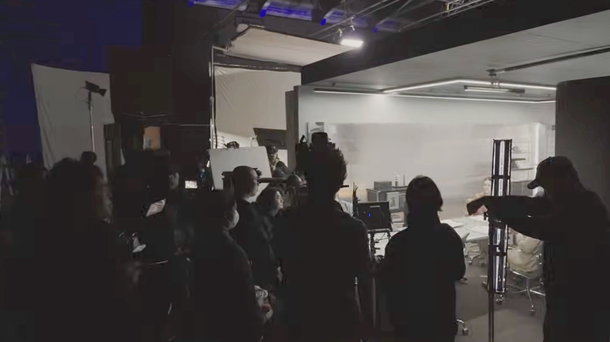
Industry insiders say soaring HMU expenditure is forcing production companies to reduce spending elsewhere. Commercial budgets in Korea typically range between 150-300 million KRW, but the HMU alone can reportedly consume 30-50 million KRW, accounting for 15-20% of total production costs. Manufacturers say this often leads to:
- Smaller production sets
- Reduced equipment rental
- Lower visual quality
- Cuts to other departments
A production executive said: “To support the costs of the HMU, you have to sacrifice something else.” Some advertisers have reportedly started choosing different celebrity endorsers whose favorite HMU teams charge more reasonable rates. In one example, an up-and-coming actor would lose a commercial contract after his HMU estimate reached KRW 40 million per shoot, which would have totaled KRW 160 million over four annual filming sessions nearly equal to the actor’s annual endorsement fee.
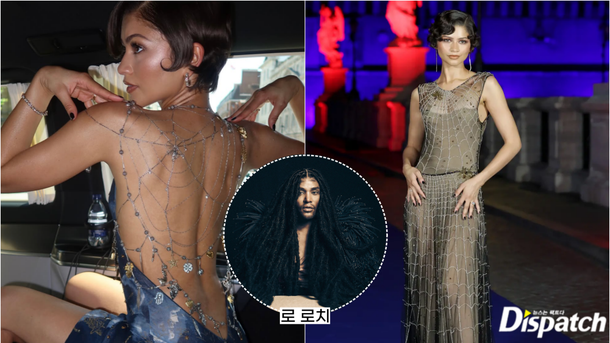
The report claims that another important factor driving prices is the close relationship between celebrities and their long-standing HMU teams. Many stars reportedly insist on working exclusively with specific stylists, limiting advertisers’ ability to hire more affordable alternatives. Some stylists have defended the practice, arguing that replacing them could compromise the fit of the wardrobe and the overall quality of the shoot due to their intimate familiarity with each celebrity’s body shape, preferences and image.
Critics, however, argue that the deal effectively creates a closed ecosystem in which advertisers have little negotiating power.
The report also compared South Korea’s system to Hollywood practices. According to a major US talent agency, Hollywood generally operates on a simple day rate system, meaning the agreed upon payment covers all work done that day. Unlike the pricing model reported in Korea, US stylists generally do not charge additional fees for:
- Multiple video edits
- Press campaigns
- Further commercial releases
- Global advertising distribution
Instead, advertisers often set a fixed cap on the HMU budget, giving celebrities the freedom to decide whether to contribute additional personal funds, negotiate lower rates for stylists, or select a different creative staff. Daily rates in Hollywood reportedly range from $1,000 to $25,000, depending on the stylist’s reputation and demand.
The report has fueled renewed discussion about widening income inequality within Korea’s entertainment production industry. While HMU’s elite professionals can reportedly earn tens of millions of won per day, assistants and junior staff often receive monthly salaries of around KRW 2 million despite working behind the scenes.
The investigation concludes that the industry’s current pricing structure is underpinned by a combination of celebrity loyalty and limited competition, leaving advertisers with little bargaining power and placing increasing pressure on overall production budgets.
Sources: Dispatch