

Christopher Nolan’s The Odyssey has become one of the most anticipated films by film lovers around the world. Adapted from one of the greatest epics in human history, the film promises a visually stunning and intellectually ambitious cinematic experience unlike any other.
Before you go to the theater, here are 10 essential things you should know to fully appreciate Christopher Nolan’s latest epic.
1. The story: Odysseus’ epic journey home
The film follows Odysseus, king of Ithaca, as he struggles to return home after surviving the Trojan War. What should have been a short trip turns into a decade-long odyssey full of relentless trials. Along the way, he will face powerful gods, terrifying monsters, and countless life-threatening obstacles. Meanwhile, in Ithaca, his wife Penelope and son Telemachus fight to protect their kingdom from ambitious claimants determined to seize the throne.
2. The timeline begins after the Trojan War
The story opens immediately after the end of the legendary Trojan War. While most of the Greek heroes have successfully returned home, Odysseus remains stranded far from Ithaca. His sole goal is to reunite with his family, setting the stage for one of mythology’s most celebrated decade-long adventures.
3. It’s essentially a sequel
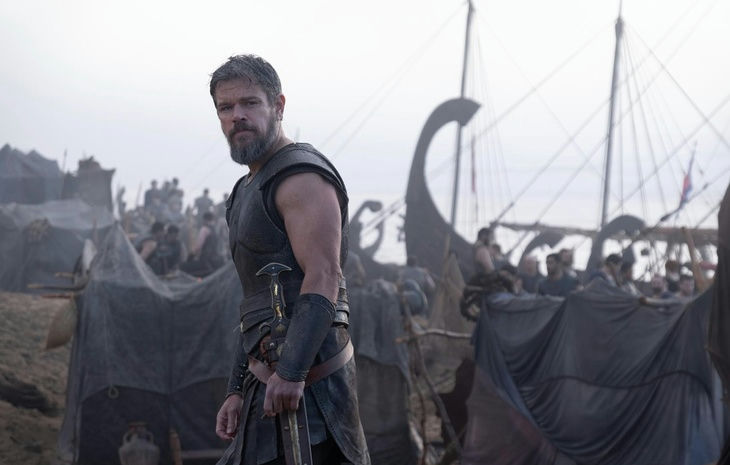
You don’t need to read ancient Greek literature before watching the film, but understanding the events that happened beforehand will enhance the experience. The Odyssey begins after the fall of Troy. Odysseus, played by Matt Damon, is the brilliant strategist credited with devising the legendary Trojan Horse, the tactic that ultimately led to Troy’s defeat. The film explores the aftermath of that victory and the long ordeal that followed.
4. The Trojan War is the foundation of the story
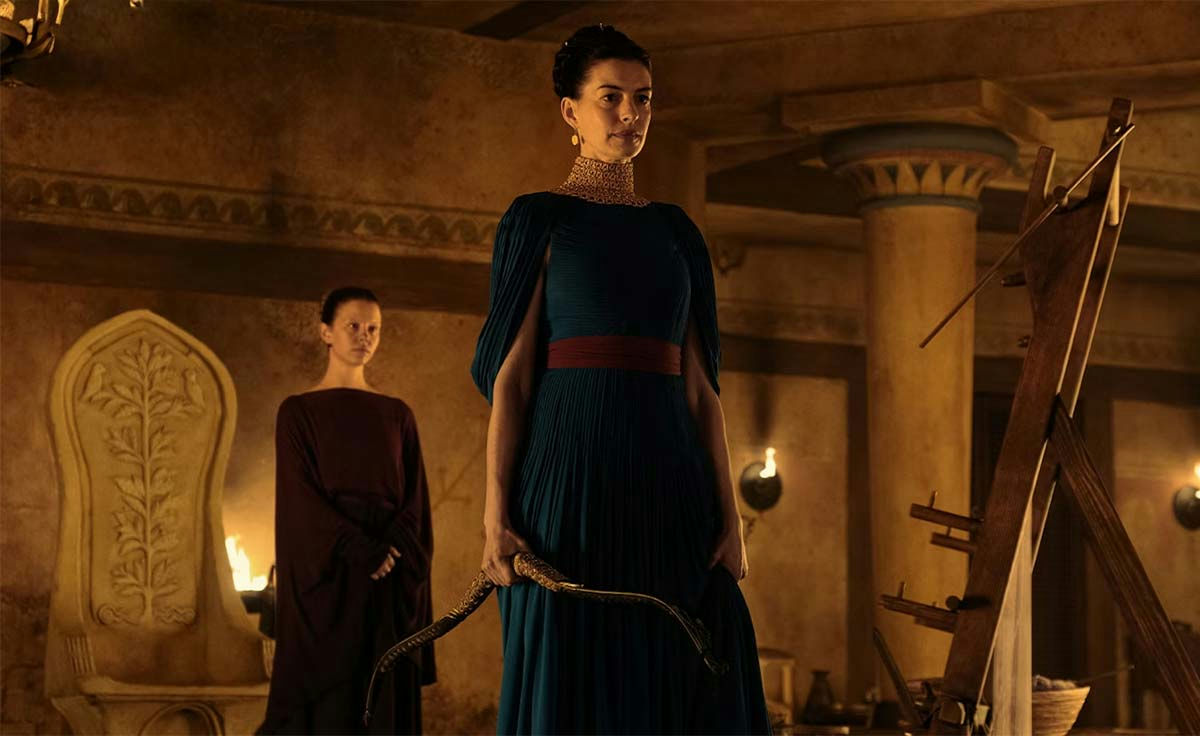
The Trojan War was the mythical conflict between Greece and Troy, which erupted after Prince Paris brought Helen of Sparta to Troy. The Greek kings banded together to recover it, resulting in a brutal ten-year war that ended with the Trojan Horse deception. Since Odysseus devised the strategy, the conflict serves as the backbone of the entire narrative.
5. Nolan reinvents the Trojan Horse
Forget the imposing wooden horse often depicted in fantasy adaptations. Christopher Nolan reportedly reimagines the Trojan Horse as a weathered ship-like structure that blends naturally into the ruins of war. Rather than appearing as an oversized mythical monument, it functions as a practical military device, reflecting Nolan’s signature grounded approach to storytelling.
6. Parallel narrative drives the drama
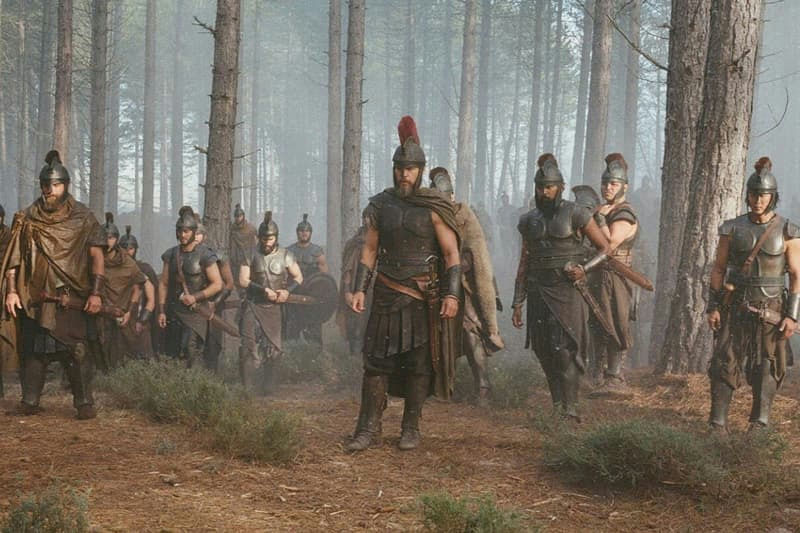
The script balances two interconnected narratives. One follows Odysseus’ perilous journey across the seas, while the other focuses on the growing political crisis in Ithaca. As Odysseus faces legendary figures such as the Cyclops Polyphemus, the Sirens, and the goddess Calypso, Queen Penelope struggles to defend her kingdom from increasingly aggressive suitors seeking to claim both the throne and her hand in marriage.
7. Mythology is presented through a grounded psychological lens
Early reports suggest that Nolan approaches the supernatural from a more realistic perspective. Rather than portraying the gods as luminous celestial beings, characters like Athena (Zendaya) and Circe (Samantha Morton) are portrayed as psychologically complex figures, skilled manipulators, or individuals with extraordinary knowledge and influence. The result is a more intellectual interpretation of Greek mythology than a conventional fantasy show.
8. A different kind of hero
Nolan reportedly based his screenplay in part on Emily Wilson’s acclaimed 2017 English translation The Odysseythe first complete English translation by a woman. Wilson’s version eliminates much of the romanticized Victorian interpretation, presenting Odysseus not as an invincible warrior but as an intelligent and deeply flawed leader whose greatest strengths are strategy, resilience, and emotional complexity.
9. A historic IMAX achievement
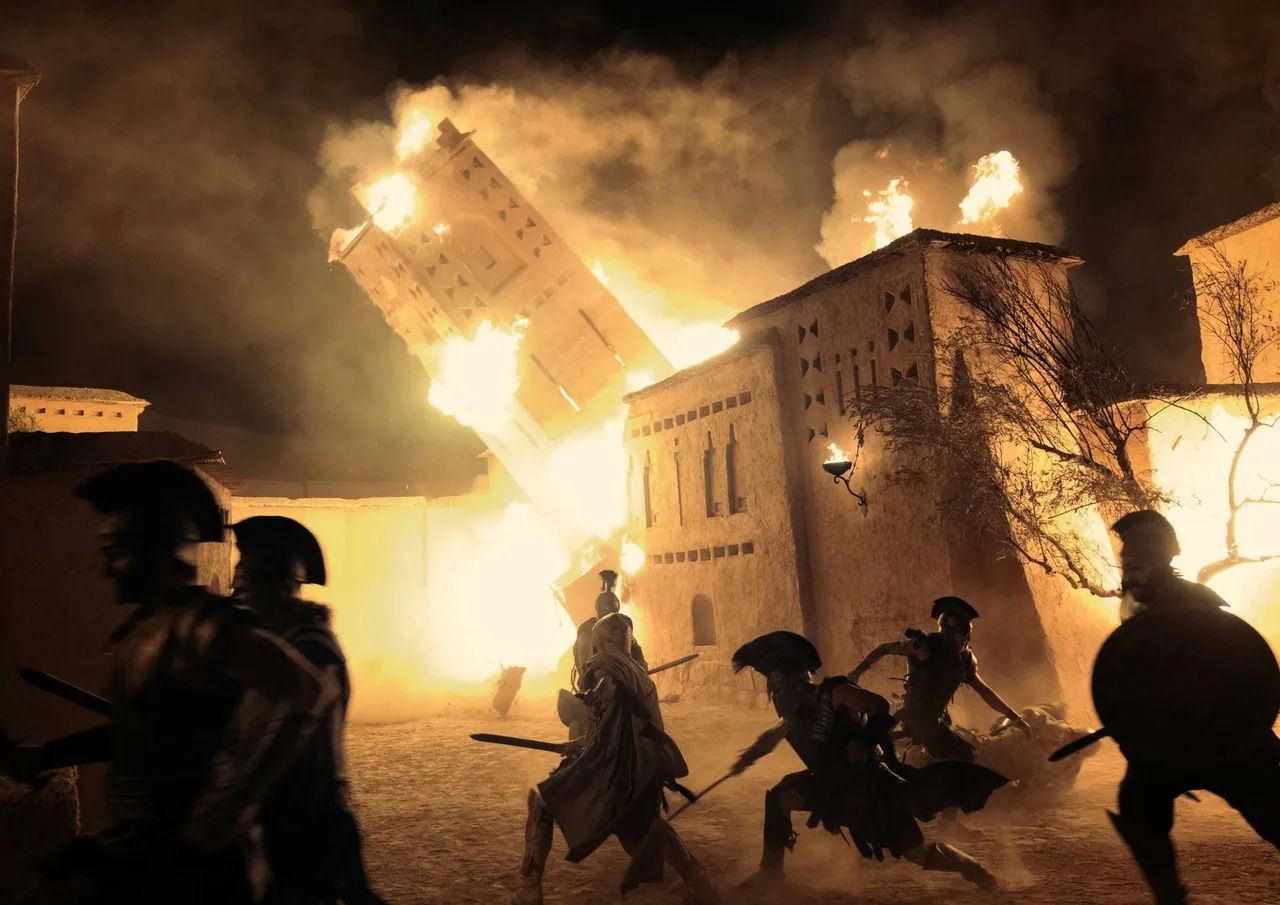
The Odyssey it is promoted as the first feature film shot entirely with 70mm IMAX cameras. Traditional IMAX cameras are notoriously large and noisy, making them difficult to use in harsh environments. To meet the needs of the production, new photographic technology was developed, allowing Nolan to capture expansive ocean landscapes and rugged coastlines with previously unseen flexibility.
10. Christopher Nolan’s most expensive film yet
Recreating ancient civilizations and Mediterranean voyages on a large scale without relying heavily on green screen technology required a huge investment. With an estimated production budget of approximately $250 million, The Odyssey it is reportedly the most expensive film Christopher Nolan has made in his entire career.
Sources: kenh14