

Japan’s dramatic 2-1 defeat to Brazil in the round of 32 of the 2026 FIFA World Cup left fans devastated, with emotional scenes quickly spreading on social media. Although Japanese culture is often associated with emotional restraint in public, the football stadium has once again proven to be one of the rare places where such emotions can be expressed freely.
In the fifth minute of injury time, Gabriel Martinelli scored the decisive goal that sealed Brazil’s 2-1 victory over Japan. Cameras captured harrowing scenes in the stands. Many Japanese supporters were seen in tears: some hid their faces in their hands, while others sat motionless, unable to process the painful defeat.
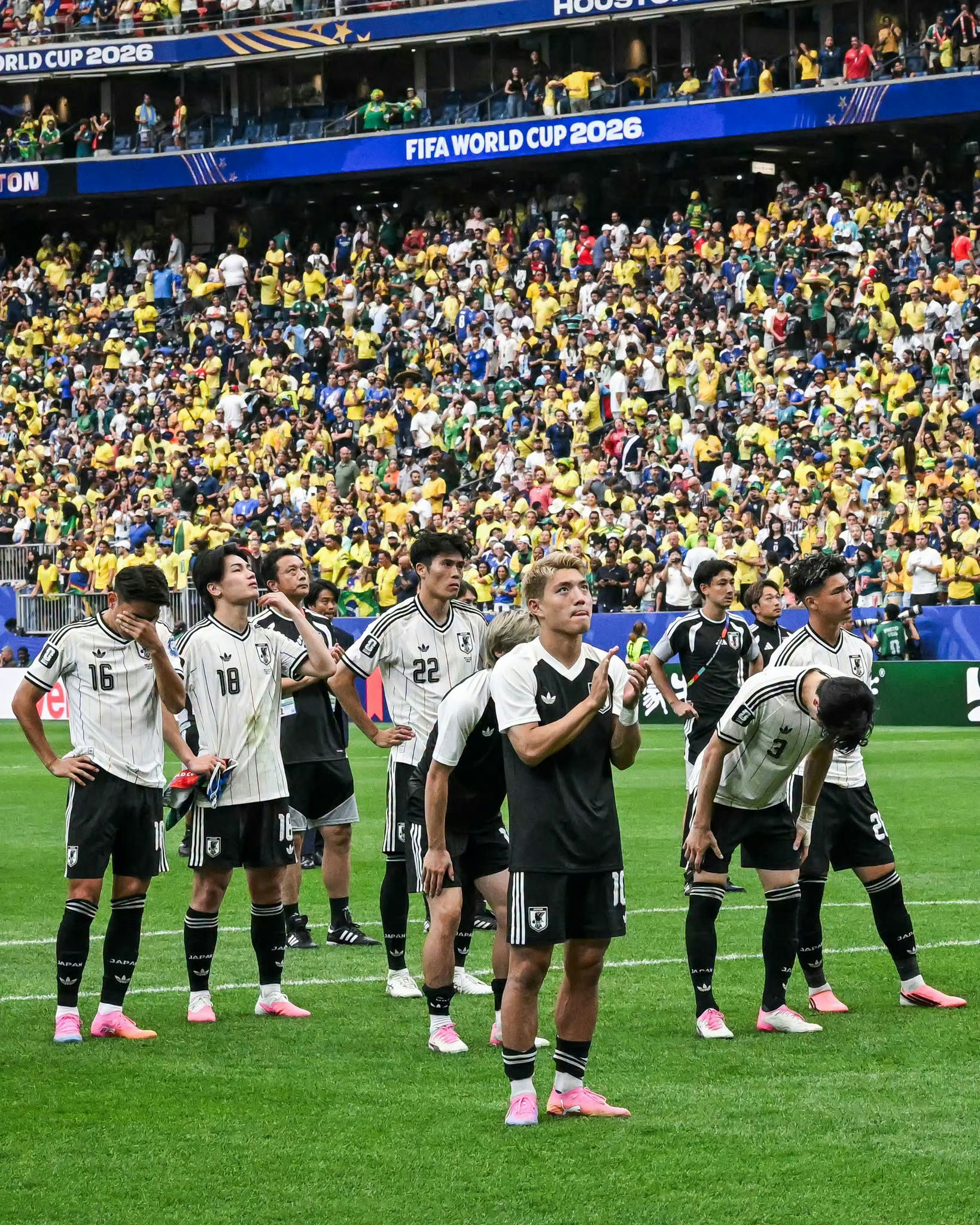
On the pitch, Japan’s players stood in stunned silence before turning to the away fans. Together, they bowed deeply, a gesture of gratitude and apology that has become a symbol of Japanese sportsmanship. Outside Houston’s Reliant Stadium, devastated fans wearing Japan jerseys were seen sitting silently on the sidewalks, overwhelmed by the result.
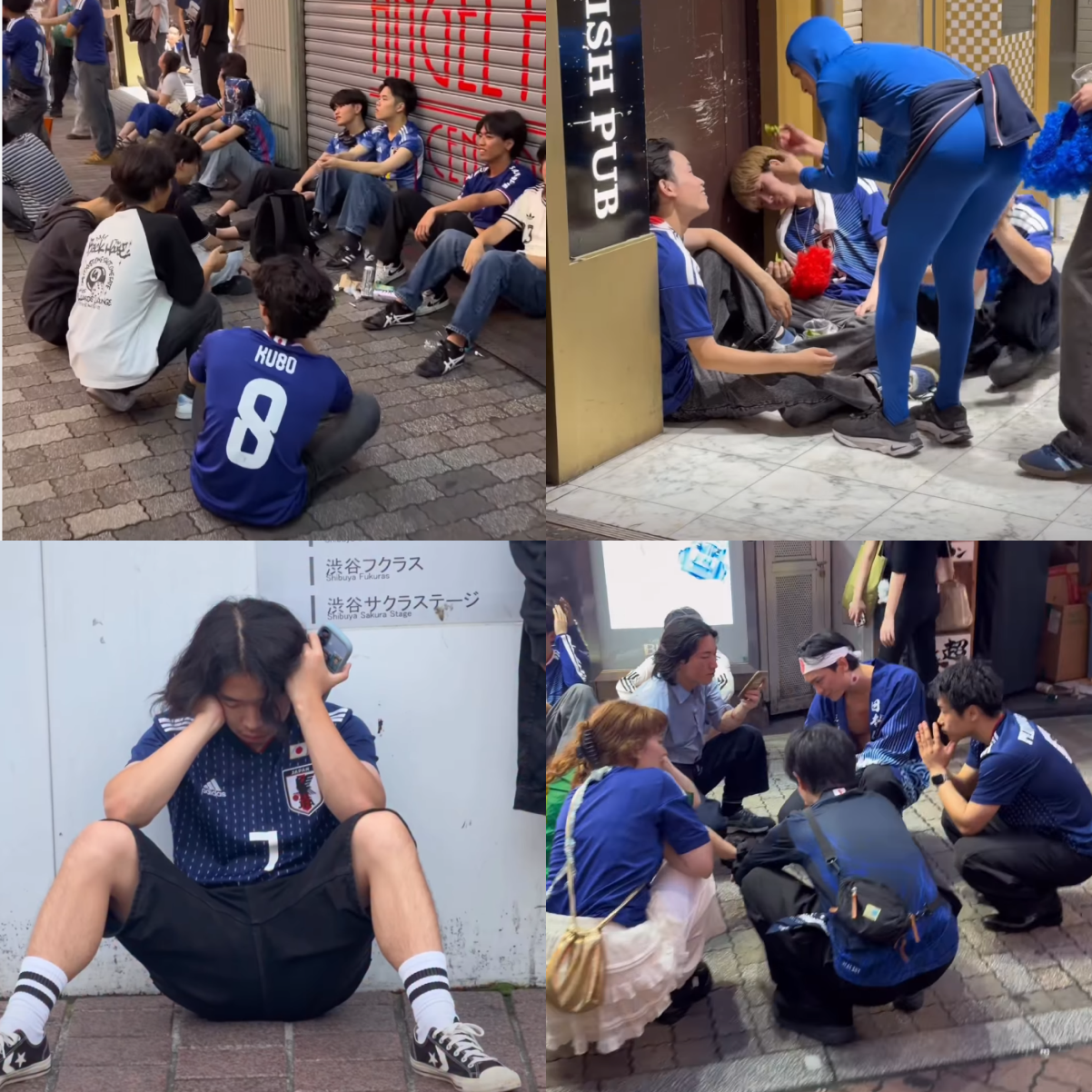
The emotional scenes resonated around the world because Japanese society generally values composure and emotional self-control in public. Two well-known cultural concepts help explain this mentality:
- Honne refers to a person’s genuine thoughts and feelings.
- Tatemae represents the outward behavior that people adopt to maintain harmony within society.
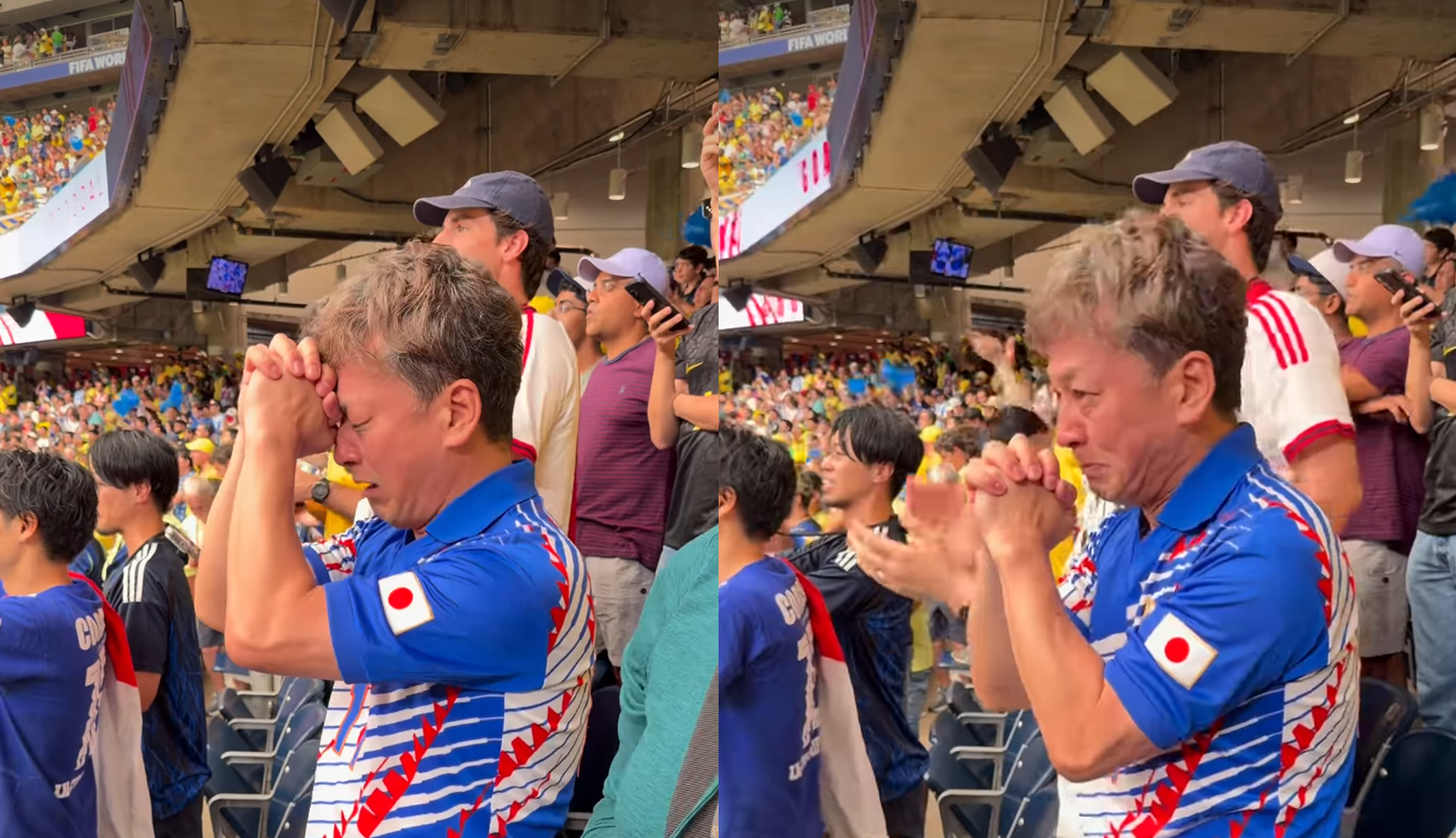
Another important value is Gaman, the virtue of enduring difficulties with patience, dignity and resilience. Influenced by Buddhist and Zen traditions, it encourages individuals to persevere without burdening others with their emotions. As a result, openly showing anger or despair in everyday situations is often discouraged.
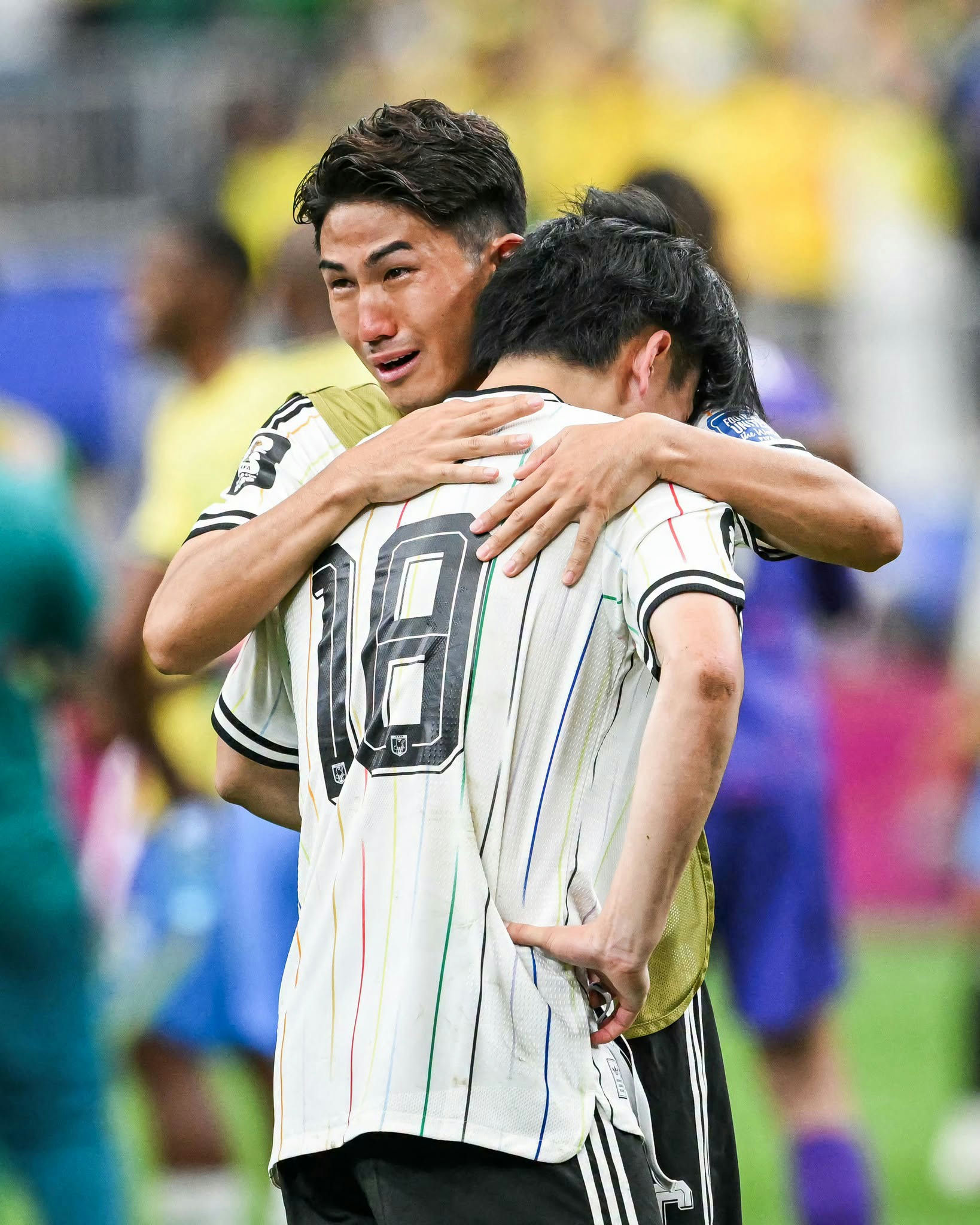
The football stadium, however, is one of the few places where Honne and Tatemae naturally align. A player crying after giving everything for the national team is not seen as a loss of composure, but as a sincere expression of responsibility and dedication. Likewise, fans who openly mourn a heartbreaking defeat are rarely judged. In football, genuine emotion is accepted because it reflects passion, commitment and love for the national team.
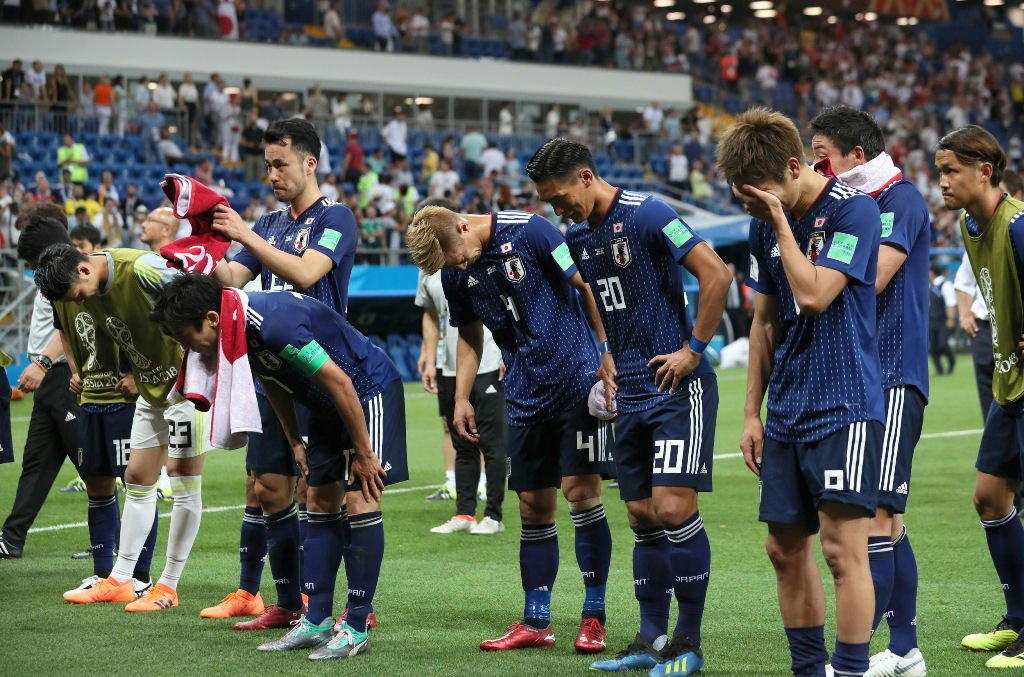
This is not the first time Japan has exited the World Cup in heartbreaking fashion. In 2018, Japan famously surrendered after leading 2-0 against Belgium before losing 3-2 due to a last-minute counterattack. Four years later, in 2022, Samurai Blue battled Croatia for 120 minutes before being eliminated on penalties. The defeat to Brazil in 2026 now adds to another painful chapter in the country’s World Cup history.
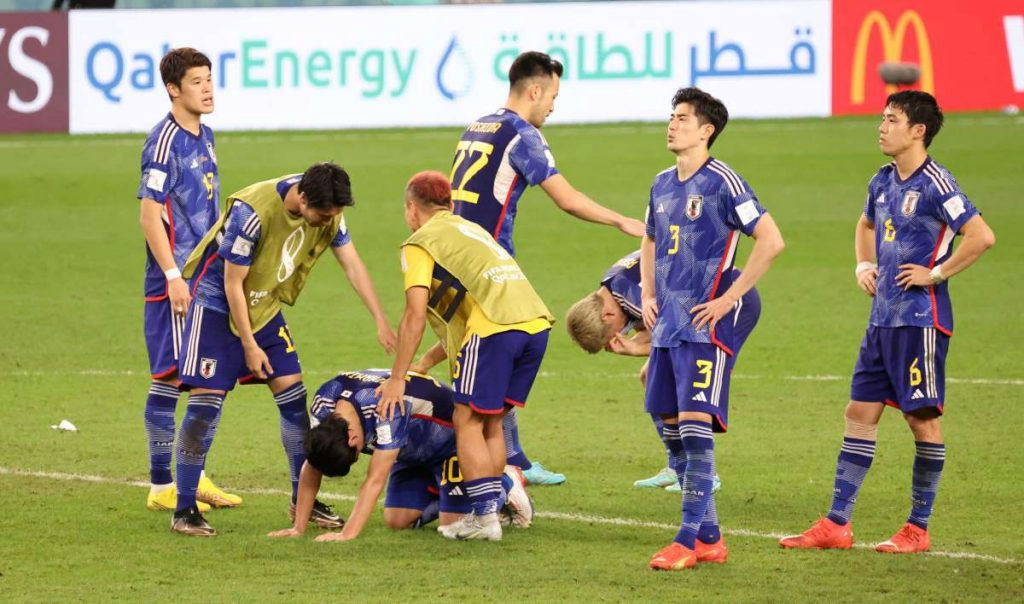
Perhaps the most distinctive aspect of Japanese sports culture is the way defeat is viewed. Losses are not treated as excuses or endings. The pain can persist for years, but athletes and supporters alike return to training, continue to improve, and wait for the next opportunity. In Japanese culture, failure is considered part of the journey to growth rather than a permanent setback. Maybe after the final whistle the tears come, but the next day marks the beginning of another attempt.
This resilience is why each heartbreaking World Cup exit leaves many believing that Japan will come back stronger next time.
Sources: kenh14