

Korean dramas are loved around the world for their emotional storytelling, stunning visuals and unforgettable characters. But when a drama touches on history, culture or national identity, one mistake can turn a successful series into a full-blown scandal.
Recently, the historical blockbuster Perfect crown it closed with a record rating of 13.8%. It should have been a perfect ending to the drama starring IU and Byeon Woo-seok. Instead, the series has become the focus of public anger in South Korea due to accusations of historical and cultural distortion. The backlash became so intense that the director reportedly broke down in tears during an interview, while IU and Byeon Woo-seok also apologized to viewers.
However, Perfect crown is not the only Korean drama to be criticized for historical issues. Here are 7 K-dramas that have become some of the most controversial “black marks” in the history of Korean television.
Snowdropstarring Jung Hae-in and BLACKPINK’s Jisoo, it has become one of the most criticized Korean dramas in recent years. The drama is set during the Gwangju democratization movement of 1980, one of the most painful chapters in modern Korean history. During that era, many citizens were oppressed, tortured and killed while fighting for democracy.
The controversy arose from the way the play portrayed its characters and institutions. The male protagonist was written as a North Korean spy with a romantic and sympathetic image, while the National Security Planning Agency was shown in a fairer light. Many Korean viewers found this to be unacceptable, arguing that the drama appeared to mask the forces associated with oppression during a traumatic time.
The reaction became massive. More than 200,000 people have reportedly signed a petition calling for the series to stop airing. Families of victims of the democratization movement also criticized the series, while sponsors began to withdraw support.
Although JTBC refused to cancel the broadcast and insisted that the drama did not focus on the democratization movement, Snowdrop ended amid controversy and remains one of the most socially divisive K-dramas of recent times.
2. Perfect crown
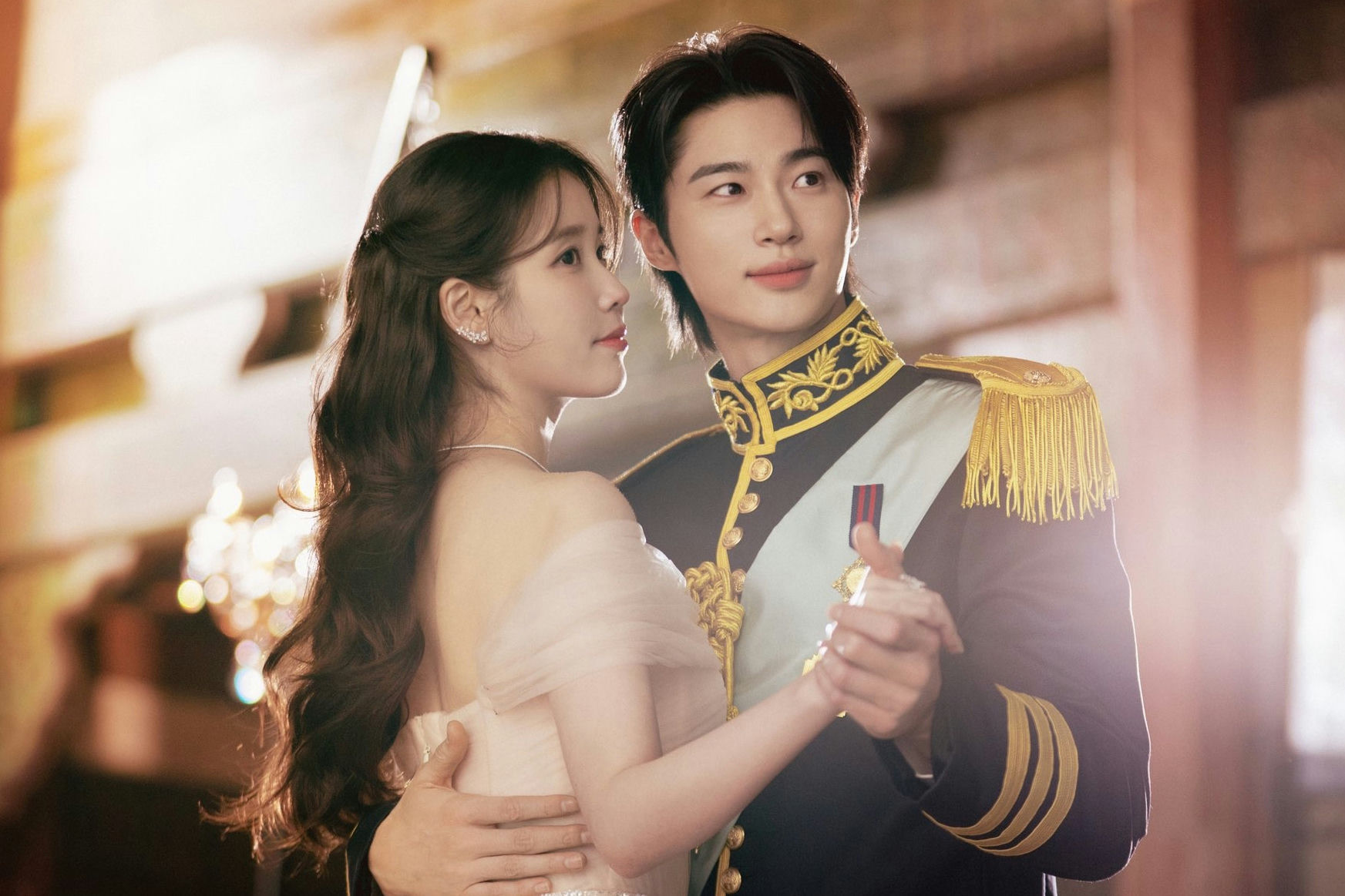
Although closing with a record valuation of 13.8%, Perfect crown became a major scandal due to alleged negligence in historical research. The biggest controversy came from the final scene of episode 11. During the royal enthronement ceremony, viewers criticized the drama for using “cheonse” instead of “mansario”, and for giving Byeon Woo-seok’s character, Lee Ahn, a nine-pearl crown instead of a twelve-pearl crown.
Korean netizens argued that these details were historically sensitive because they were associated with vassal state symbolism, making the scene appear to lower the status of the fictional kingdom. The reaction became even stronger when IU’s tea ceremony scene was criticized for allegedly resembling Chinese tea culture. Viewers also discovered that some props used in the scene appeared to be cheap teacups purchased from Taobao.
MBC later announced that it would edit and remove the controversial final scene from online platforms. Disney+ and Wavve reportedly updated their releases with revised subtitles and audio, while other VOD and OTT platforms took longer to complete the changes.
The controversy put enormous pressure on the production team. Director Park Joon-hwa reportedly cried during an interview and took responsibility. The authors, IU and Byeon Woo-seok also apologized, but the public’s anger did not subside easily.
3. Under the queen’s umbrella

Led by Kim Hye-soo, Under the queen’s umbrella was praised for its quality, dark comedy and ratings. However, the drama has also been criticized for its historical and cultural details. The main problem was that the drama was described as historical fantasy but still used the real national name Joseon. Viewers argued that once a drama uses a real historical setting, it must handle details carefully instead of freely inventing elements that could mislead the audience.
The biggest controversy involved Chinese elements appearing in the drama. A palace sign reportedly used the words “Hall of Supreme Harmony”, a name associated with the Forbidden City during China’s Qing Dynasty. Viewers also criticized the use of simplified Chinese characters in the subtitles.
Although the writer and production team later explained the matter, Kim Hye-soo was also dragged into the controversy after sharing the explanation post, affecting her public image.
4. Mr Regina
Mr Regina became a ratings success thanks to its time-slip comedy and unique premise, but it also faced heavy criticism for its historical jokes and character adaptation. The drama was adapted from the Chinese novel Go princess, go. A controversy resulted from his portrayal of King Cheoljong. In history, he was recorded as a weak ruler, but in drama, he was rewritten as an intelligent king who pretends to be helpless.
The biggest backlash came from dialogue that seemed to shed light on important historical documents and Korean cultural heritage. One line described the Annals of the Joseon Dynasty simply as “gossip,” while another joked about royal ancestral ritual music.
For Korean viewers, this was very sensitive. The Annals of the Joseon Dynasty are one of Korea’s most important historical documents, while Jongmyo ritual music is recognized as a UNESCO Intangible Cultural Heritage. While Mr Regina remained popular, these controversies left a stain on the drama’s reputation.
Before it even aired, Alchemy of souls has already attracted attention after the original female lead Park Hye-eun was replaced by Jung So-min due to acting issues. Once it premiered, the drama faced another controversy: accusations that it was one too “Chinese style.”
Some viewers said that the scenes in episode 1 resembled Chinese fantasy drama Never night. Others argued that the plot involving wizards and soul changing had similarities to The Indomitable. Several scenes have also been compared to Chinese dramas such as xianxia Ashes of love AND Ancient love poem.
The production team has not directly addressed the allegations. Thanks to its visual effects, acting and narration, the drama still attracted viewers. However, the label of being a “Korean drama with Chinese influences” followed the series until the end.
6. The Joseon Exorcist
The Joseon Exorcist is one of the most infamous cases in the history of Korean drama. The SBS historical fantasy drama premiered in 2021 with high expectations, but was canceled after just 2 episodes. The reason was a huge backlash over cultural and historical distortion.
Viewers were furious after spotting Chinese-style props and food in a drama set during the Joseon era. A wine bottle reportedly used a Chinese-style character, while a banquet scene featured Chinese foods such as century eggs, dumplings, and mooncakes.
Korean audiences argued that these details were not just careless mistakes, but could lead international viewers to misunderstand Korean culture. The reaction spread quickly. Sponsors pulled out, public petitions increased and SBS eventually canceled the drama. The Joseon Exorcist it became one of the shortest Korean dramas in history, with a huge production budget of 32 billion won reportedly wasted.
7. Empress Key
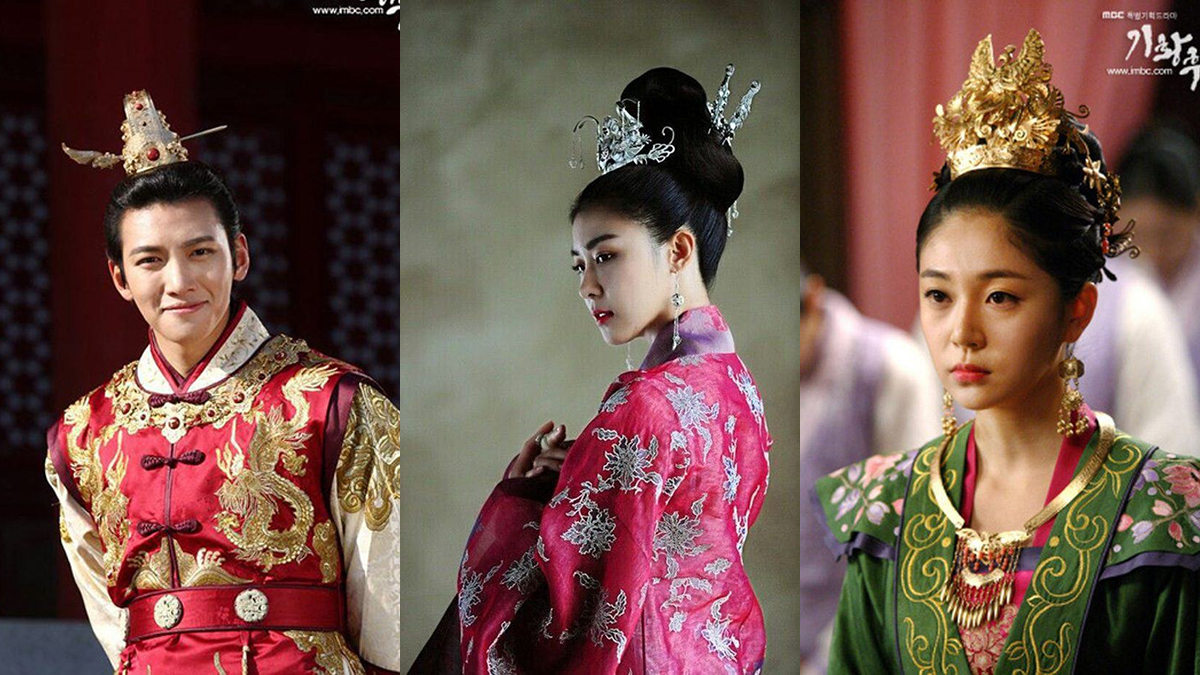
Empress key was a major ratings success, but also faced criticism for romanticizing and rewriting real historical figures. The drama followed Ki Seung-nyang, a Goryeo woman who became empress of the Yuan Dynasty. However, according to the report, the real Empress Ki was historically remembered in a much darker way. She was described as someone who abused power, joined political projects with her son, and contributed to the chaos in the Yuan court.
In the drama, however, these darker aspects were removed. She was instead portrayed as a legendary, intelligent, beautiful and patriotic woman. The drama also changed the image of Goryeo king Wang Yu. Historically, he was reportedly known as a cruel and immoral ruler, but in the drama he was portrayed as a deeply romantic king devoted to Empress Ki. This led to criticism Empress key real historical figures overly whitewashed for entertainment.
These controversies show how sensitive historical dramas in South Korea can be. To international viewers, a costume, a prop, a title or a line of dialogue may seem like a small detail. But for Korean audiences, these details can touch on national pride, painful historical memories and cultural identity. A successful rating may prove popular, but accusations of historical distortion can follow a drama long after the final episode has aired.
Sources: K14