

Source Music and former ADOR CEO Min Hee-jin are locked in a heated legal battle over statements made during a past press conference, with each side accusing the other of false statements. While Source Music supports Min spread false information that damaged the company’s reputationsupports Min’s legal team his remarks were defensive responses to HYBE’s internal audit and subsequent media coverage, and only selective excerpts were taken out of context to frame the matter as defamation.
On the afternoon of December 19, the Civil Division 12 of the Seoul Western District Court held the fifth hearing in Source Music’s KRW 500 million damages lawsuit against Min Hee-jin.
Previously, Source Music filed a lawsuit alleging that Min made false statements during press conferences last year he personally chose the members of NewJeansaccused Source Music of neglecting the internsand he stated it HYBE did not keep its promises regarding the debut order. Source Music supports these remarks damaged his reputation and presented evidence such as videos of the internship contract and internal messages to counter the claims, underlining this the selection of NewJeans members was led by Source Music.
Min’s legal team countered his statements were not false facts but reflections on his personal experience and perspective regarding his contribution to NewJeans’ debut. They supported him the term “casting” itself can be interpreted in multiple ways and that his comments should be evaluated in their full context. The defense also questioned whether any actual damage occurred and if there was a direct causal link between the statements and the alleged harm.
During the hearing, Min’s lawyer stated this the actor is only focusing on a small part of a press conference that lasted almost two hours. Min’s lawyer argued this the press conference was Min’s response to the HYBE audit and what he considered an unfair media game, making it one of the few defensive measures available to him at the time. According to the defense, Source Music selectively excerpted and edited portions of his remarks, ignoring the broader context, and then claimed defamation based on those snippets. The lawyer also noted that Source Music repeatedly changed his stance on branding and casting claims, suggesting inconsistencies in how Min’s remarks were interpreted.
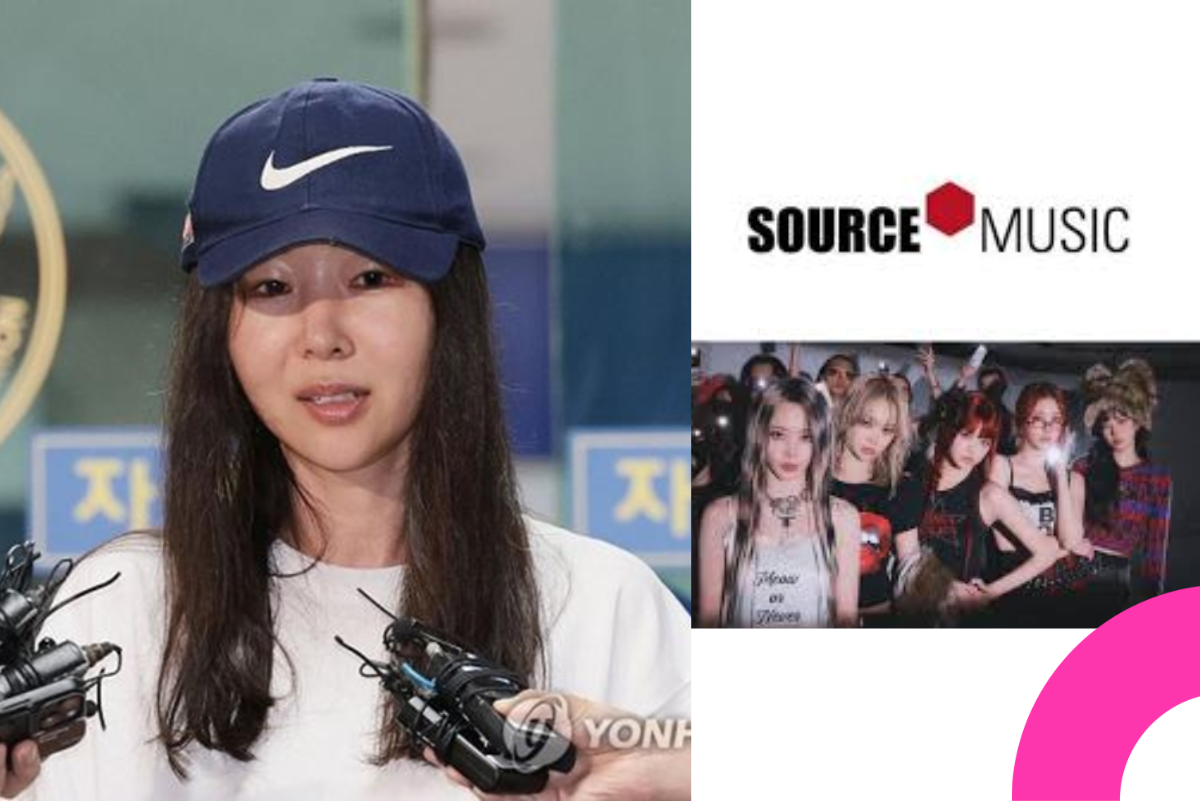
Source Music’s legal team rejected this argument, stating this the fact that the remarks were part of a larger statement or were conveyed by a third party does not exclude the possibility of defamation. They underlined it repeating information heard from others does not absolve one from responsibility. The plaintiff also disputed this statement of Min his work was delayed due to a lack of music or conceptual materials from Source Musicexplaining it There is no single correct method in girl group production. According to Source Music, concepts can be developed after creating the music or by first identifying the artists’ strengths and building a musical direction around them. They supported him Min’s perspective likely stems from his lack of experience overseeing a project entirely from its early stages.
As the legal dispute continues, the case highlights deep divisions over creative authority, responsibility and the interpretation of public statements within the K-pop industry, with the court set to further examine whether Min Hee-jin’s remarks crossed the line from self-defense to actionable defamation.
Sources: Daum